Pre-season Boat Hull Care: Antifouling and Anodes
Expert advice from Paul Hardy at Ancasta Yacht Services

Good pre-season yacht maintenance is critical to ensuring you have a hassle-free and enjoyable season on the water, conserve fuel, and preserve your boat’s condition.
In particular, antifouling the hull and checking or replacing sacrificial anodes are important to protecting your vessel from aggressive marine growth below the waterline.
With insight from Paul Hardy at Ancasta Yacht Services, we take a closer look at why these jobs matter and some top tips on how to carry out the work.
Why Antifouling Matters
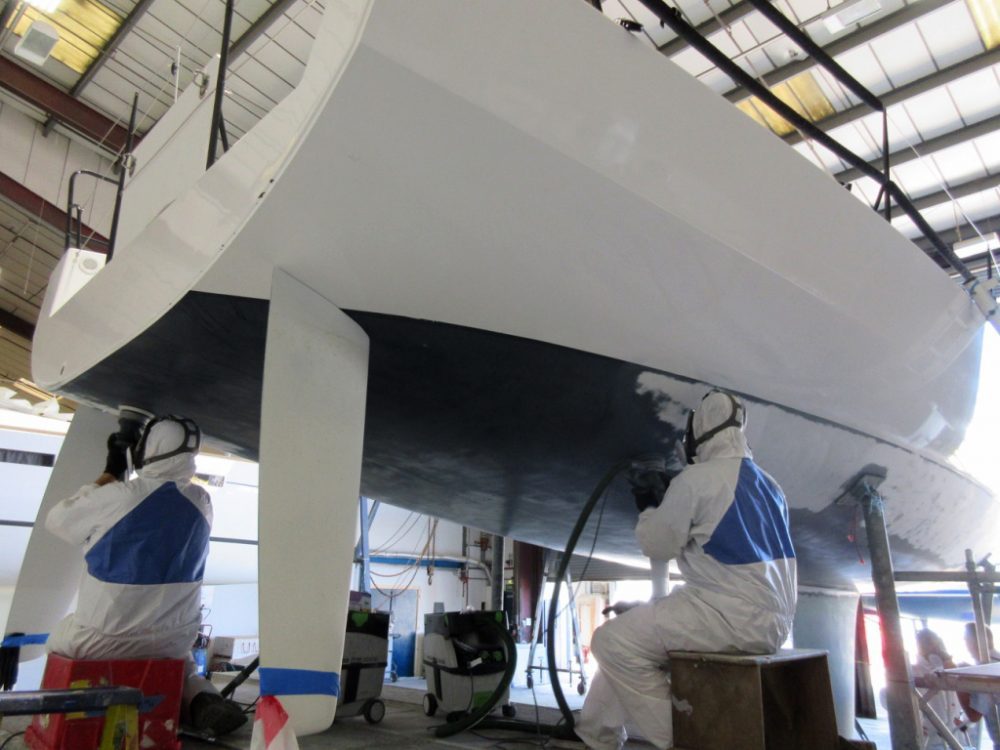
Antifouling is more than just cosmetic. A clean hull with a fresh coat of antifoul paint looks fantastic, yet it also acts as a protective barrier against marine growth that naturally accumulates while your boat is sitting in the water.
“Reduced drag and a lower risk of corrosion means a boat’s structural integrity is preserved over time, increasing its lifespan and resale value,” says Paul.
Benefits of Antifouling
1. Improves performance
Marine growth creates drag, slowing your boat down and, if you are motor cruising, increasing fuel consumption. So, a hull free of barnacles and algae reduces resistance, helping the boat glide through the water with ease.
2. Prevents corrosion
Organic marine growth can cause corrosion of underwater components, including through-hull fittings, propellers, shafts, and anodes. By antifouling your hull, you’ll reduce wear and tear.
3. Prevents the spread of invasive species
Some species that attach themselves to yachts’ hulls are invasive, and transporting them from one area to another can disrupt local ecosystems. Maintaining a well-protected hull helps prevent this.
How to Apply Antifoul: Step-by-Step
Antifouling can be labour-intensive, and some products are only available to professionals. If you plan to do it yourself, good preparation will make the process much easier.
“A carefully applied coating will protect your hull for the season ahead,” adds Paul. “But every antifoul is slightly different, so always follow product-specific guidance.”
1. Prepare the hull
Make sure the hull is clean before you begin. Remove dirt and marine growth. Remember to use protective gloves, goggles, and a mask.
2. Sand the hull
Sand back the old hull paint, starting with a 220-grit and progressively work through the layers to 80-grit. Then wipe the hull down with a damp cloth and allow it to dry.
3. Mask critical areas
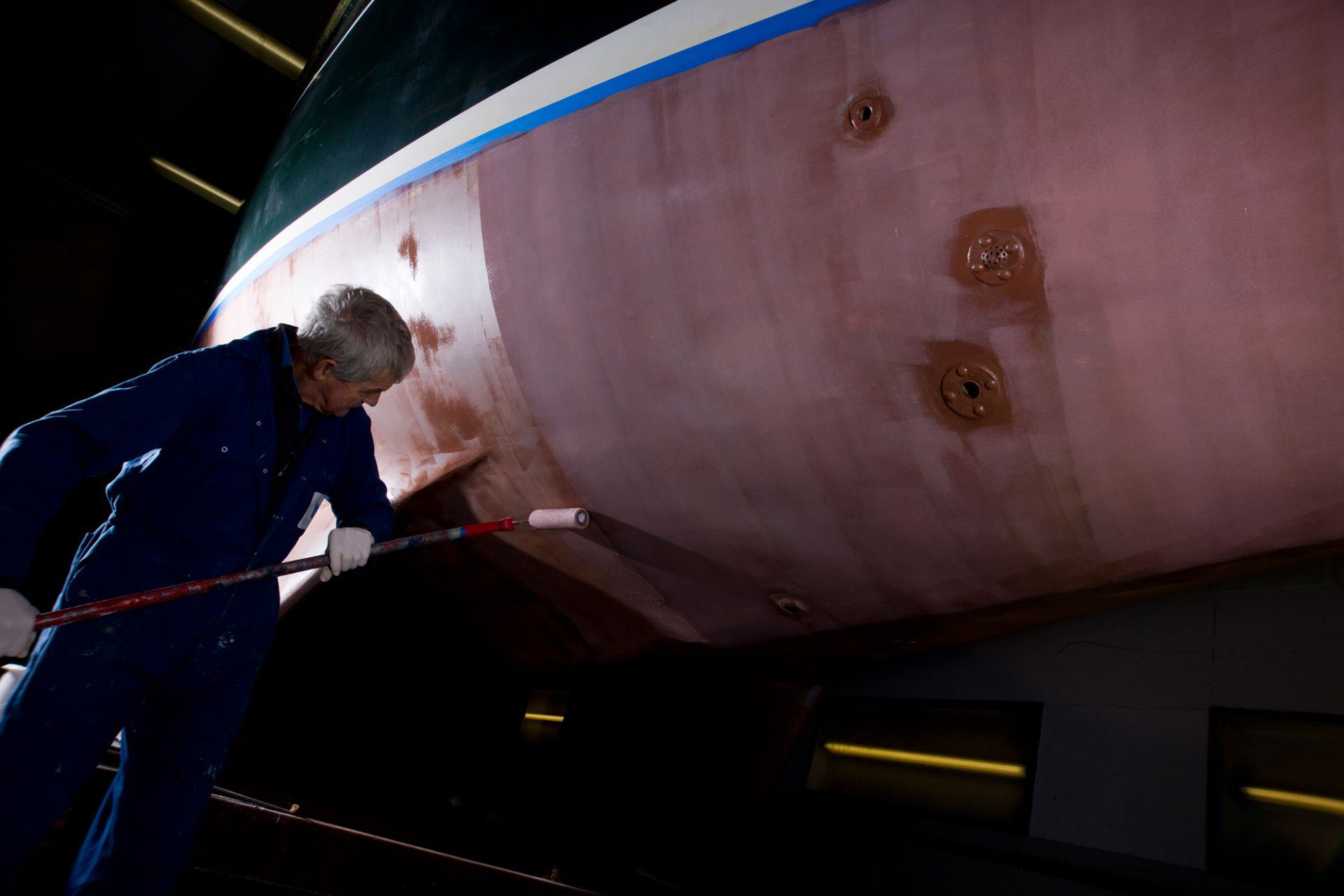
Mask off surfaces and fittings you don’t want painted, such as the topsides, through-hull fittings, and propellers.
4. Mix the antifoul
Stir the paint thoroughly according to the manufacturer’s instructions.
5. Apply the antifoul paint
Use a roller or brush to apply the paint evenly to the hull, working from top to bottom. Most boats require two to three coats for optimum protection.
6. Clean up
Wash brushes and trays, remove the masking tape, and allow the hull to dry before launching the boat.
The Importance of Sacrificial Anodes
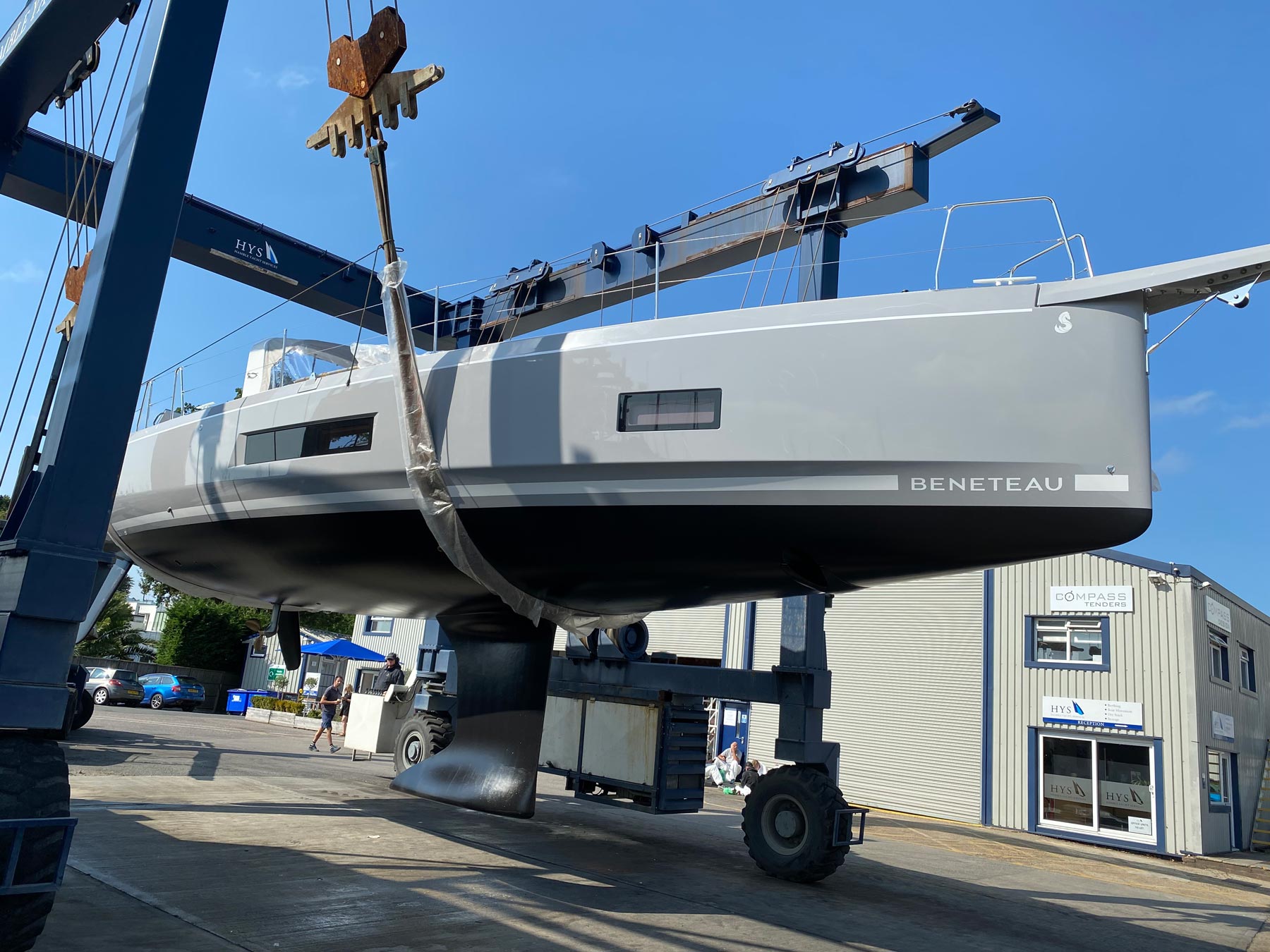
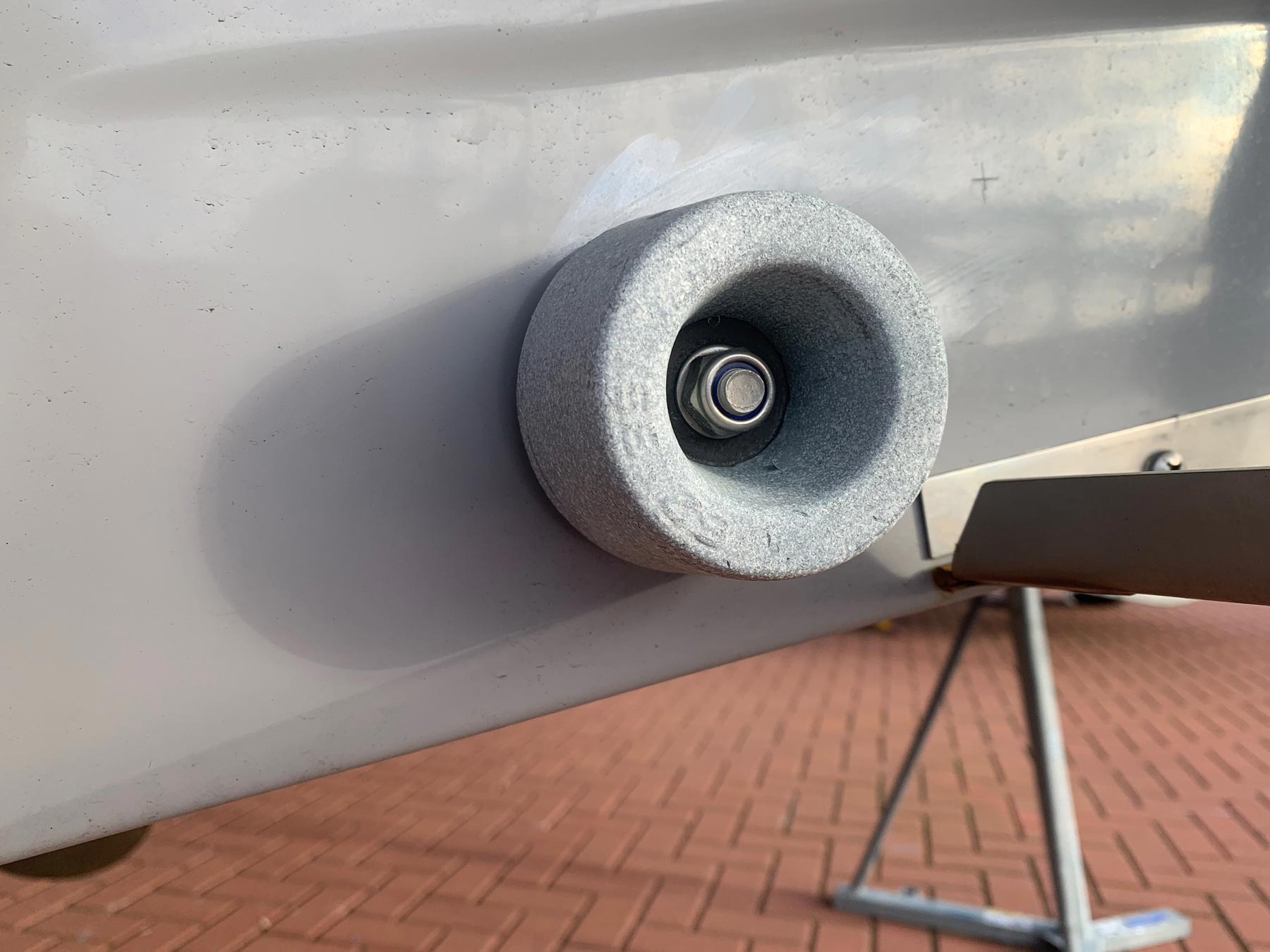
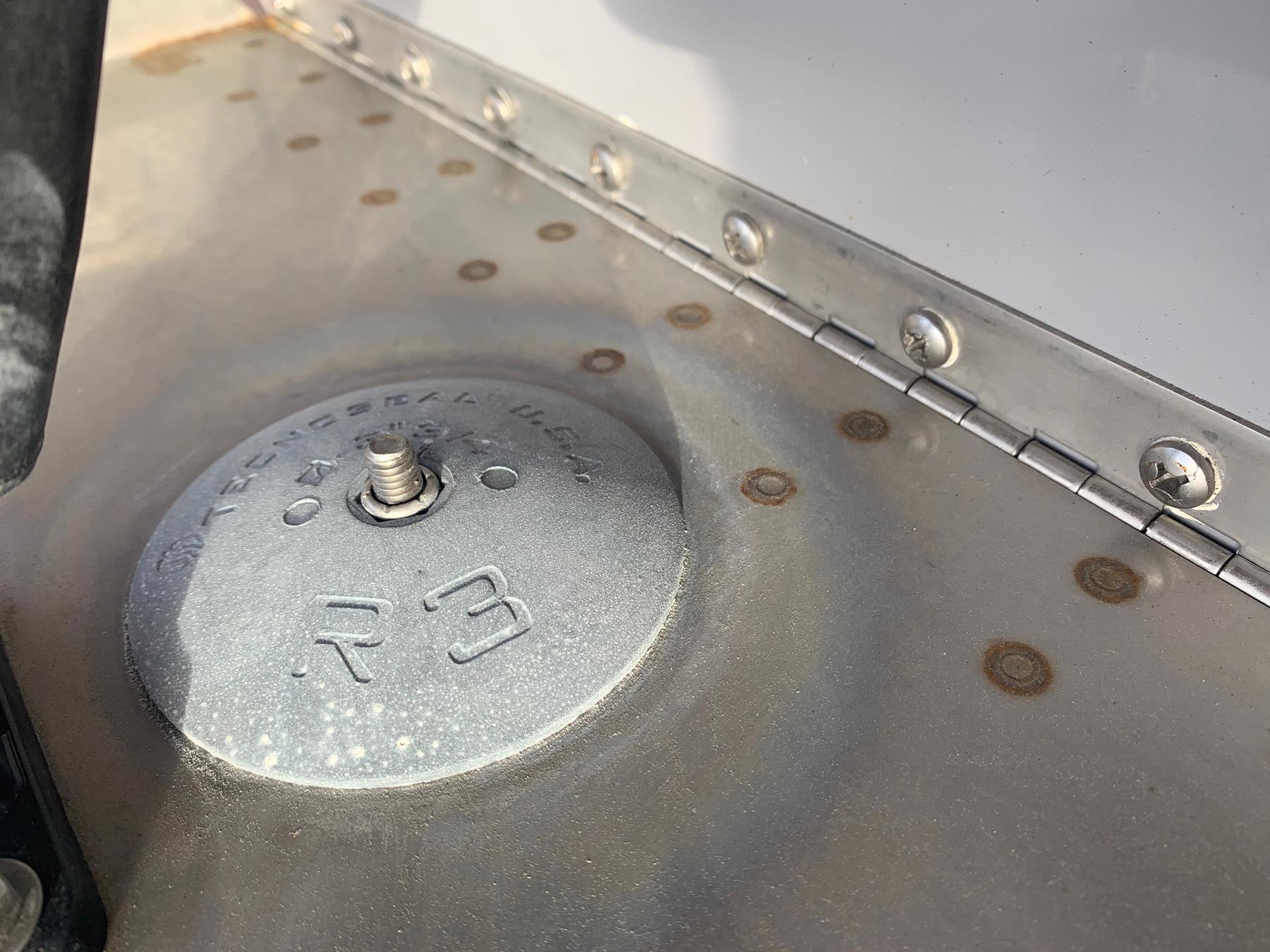
While antifouling protects the hull’s surface, anodes protect underwater metal components from galvanic corrosion (electrolysis). Sometimes known as zinc anodes, sacrificial anodes are designed to corrode, thus protecting important underwater metal components such as propellers and shafts.
Paul comments: “Anodes deteriorate over time as they do their job. Left too long, they stop providing adequate protection, which puts propellers, shafts, drive legs, and even engines at risk.”
Benefits of Regular Anode Replacement
1. Corrosion protection
Anodes (typically made from zinc, aluminium, or magnesium) are more electrically active than the components they protect, so they corrode in place of those components, reducing the risk of expensive damage from galvanic corrosion.
2. Cost efficient
If corrosion is left unchecked, it can strip propellers, pit drive legs, or damage your boat’s engine casing. Replacing anodes regularly, which is relatively inexpensive, prevents damage and avoids costly, time-consuming repairs.
3. Safety
Well-maintained anodes help prevent unexpected mechanical failures at sea if a corroded component fails at the wrong moment.
4. Performance
A corroded propeller is inefficient and cannot deliver optimal thrust, speed, or manoeuvrability. Effective anode protection means mechanical parts continue to perform as they should.
5. Environmental impact
A well-maintained, corrosion-free propulsion system performs more efficiently, reducing fuel use and supporting eco-conscious boating.

When to Replace Anodes
There is no fixed replacement schedule, as it depends on where you keep your boat and how aggressive local marine growth is, which is determined by water type, flow, and temperature. Another factor is how long your boat spends in the water – anodes on a dry-sailed yacht may last longer than those on a boat that is on a mooring all season.
Anode wear depends on:
- Water type
- Temperature
- Usage
Best practice:
- Inspect anodes regularly, especially during a winter haul-out
- If an anode shows significant erosion, replace it
In Summary
Antifouling and anode maintenance work together to protect your boat beneath the waterline. Maintaining both ensures reliable performance, reduces long-term costs, and supports efficient boating throughout the season.
- Antifouling: Prevents marine growth on the hull, which reduces drag and prevents corrosion
- Anodes: Protect metal components from galvanic damage
Book Antifoul and Anode Services
Part of the Ancasta Group, Ancasta Yacht Services provides refit, repair, and maintenance facilities in Hamble, Southampton, supporting owners preparing for the season ahead.
If you are interested in having your yacht antifouled and anodes replaced by our skilled maintenance team, please get in touch for a quote.


Ancasta Yacht Services Ltd
Port Hamble, Satchell Lane, Hamble, Southampton, SO31 4NN
The Port Hamble AYS Office with stunning views overlooks the River Hamble.
This is a prime location in the beautiful breathing space between the cities of Southampton, Winchester and Portsmouth.
Ancasta Yacht Services:
T: +44 (0)2380 454 111