How to avoid problems at sea when bluewater cruising
By Lucy Frost

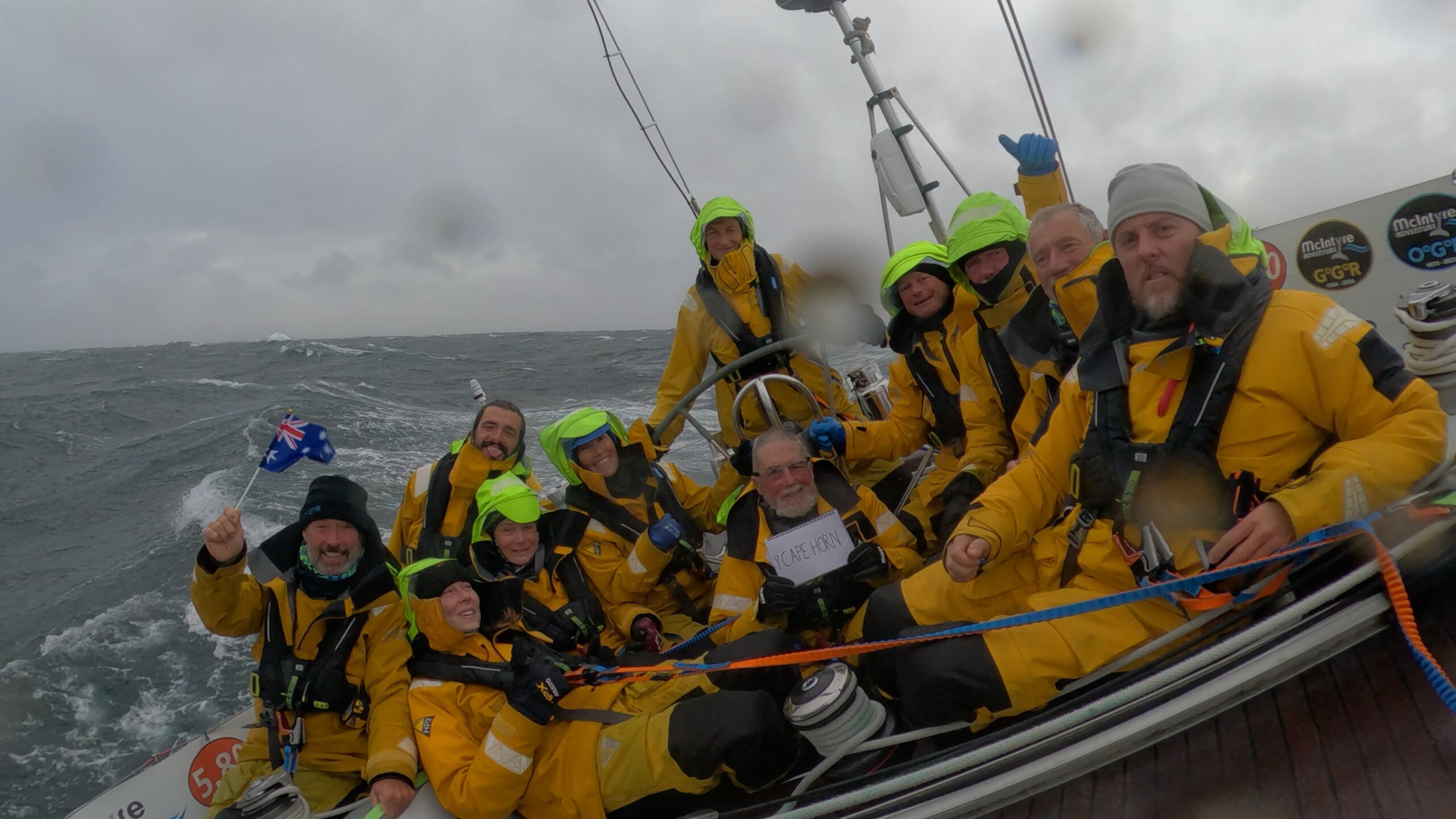
Bluewater cruising promises freedom, adventure, and the unmatched serenity of life at sea – but it also demands respect for the ocean and a deep understanding of preparation. Few sailors know this better than Lucy Frost, an experienced ocean racer with more than 70,000 nautical miles behind her, including the gruelling Ocean Globe Race which took her round Cape Horn and into the depths of the Southern Ocean.
Here, Lucy shares practical advice for preventing the most common problems that can arise on long ocean passages – from mechanical failures to crew fatigue – so that your time at sea remains as safe and enjoyable as possible.
1. Know your boat inside out
“Preparation is everything. You can’t fix what you don’t understand,” says Lucy.
Before setting off, spend time learning every system on board – from the rigging to the watermaker. According to Lucy, most offshore issues stem from small maintenance oversights: a worn belt, a corroded connector, or a chafed halyard that could have been caught before departure.
Checklist:
- Complete a thorough inspection of your yacht and log any signs of wear or corrosion.
- Carry critical spares – belts, filters, impellers, and repair materials.
- Run through your offshore maintenance routine as part of your daily watch schedule.
 .
.
Respect the weather
Ocean weather can turn in an instant. Lucy emphasises that good passage planning means respecting seasonal patterns and avoiding rigid deadlines. “Never sail to a timetable,” she warns. “It’s the quickest way to get caught out.”
Ways to stay ahead:
- Study long-range forecasts and GRIB data before departure.
- Invest in reliable weather-routing tools and communications.
- Always reef early – “no one ever regrets reefing too soon”.
3. Look after your rig and sails
Even the strongest rigging is vulnerable to constant load and chafe. During the Ocean Globe Race, Lucy’s team made daily rig checks part of their routine.
Rig check essentials:
- Inspect all running rigging, especially where it meets blocks and spreaders.
- Use chafe guards and spare halyards.
- Repair small sail tears immediately before they grow under stress.
4. Stay powered up
Electrical and charging issues are one of the most frequent problems offshore. Between autopilots, nav systems, and desalination, power management is vital.
Lucy recommends:
- Monitoring battery levels daily.
- Using renewable power where possible — solar, wind, or hydro-generators.
- Keeping connections clean and dry, especially in tropical humidity.
5. Manage crew energy and morale
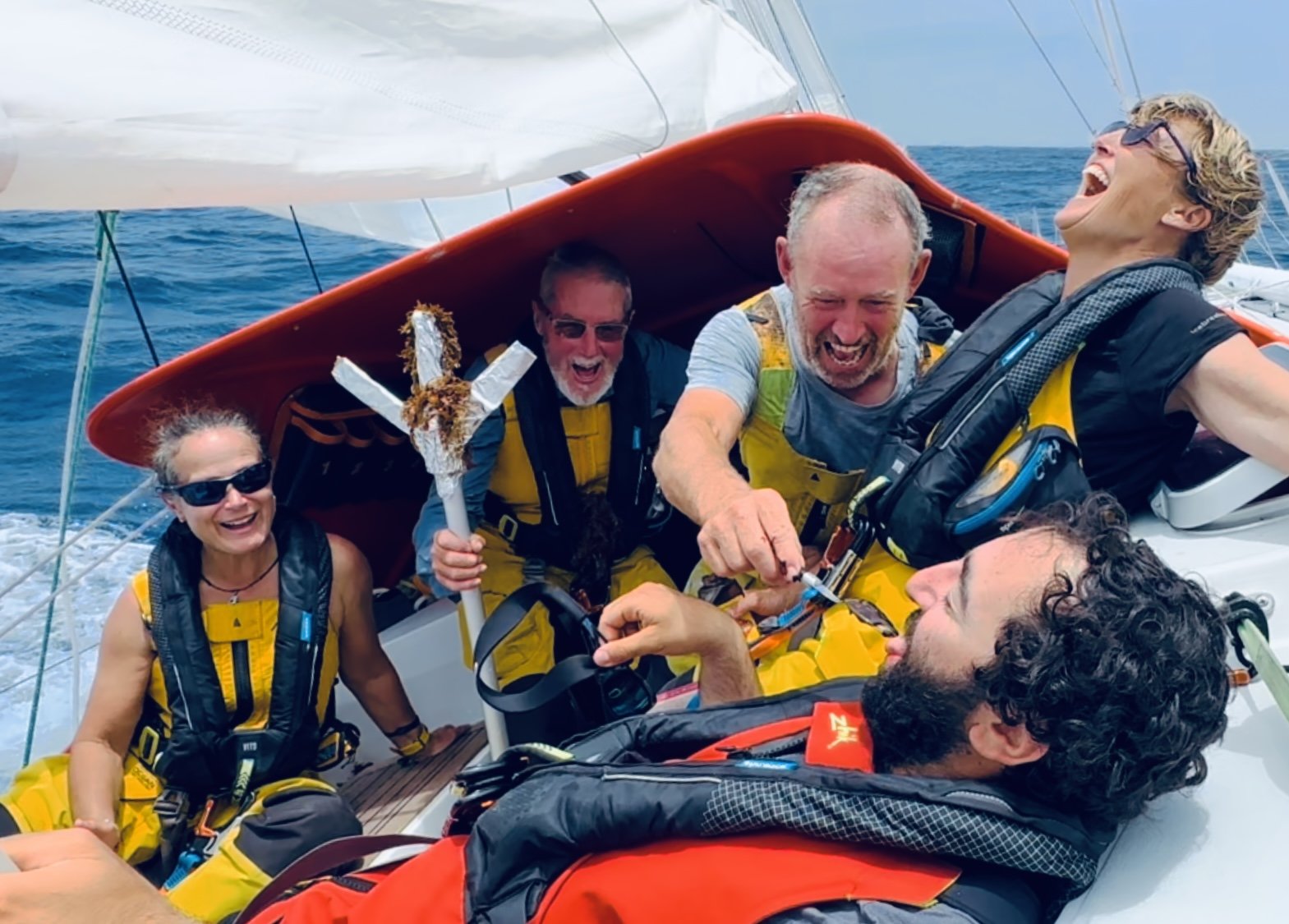
“Your crew is your greatest asset, but only if they’re rested, fed, and happy.”
Fatigue and seasickness can erode concentration and morale. Lucy suggests structured watch rotations (such as 3-on/6-off) and simple, nutritious meals that can be managed in rough weather.
Pro tips:
- Encourage early seasickness medication – prevention beats cure.
- Keep routines flexible but consistent.
- Boost morale with good food, plenty of snacks, music, and shared downtime.
6. Prepare for the unexpected
Even with the best preparation, emergencies can happen, from gear failure to medical issues. Lucy’s golden rule is redundancy: “Have a backup for everything – and then a backup for the backup.”
Be ready with:
- Redundant navigation systems (GPS, AIS, sexton, paper charts).
- Regular safety drills – man-overboard, fire, and abandon ship.
- Keeping your grab bag, liferaft, and EPIRB accessible at all times.
7. Keep communication lines open
Reliable communication is your lifeline offshore. Lucy recommends testing every system before you leave port: satellite phone, VHF, AIS, and EPIRB. She also stresses maintaining shore-based check-ins so someone always knows your position and ETA.
Critical checks:
- Ensure all communication systems and handheld devices are working before departure.
- Keep in touch with someone ashore at regular intervals.
- Make sure crew are wearing their EPIRBs at all times.
In Summary
In summary, bluewater cruising is the ultimate test of seamanship and self-sufficiency – but the difference between a dream voyage and a dangerous one lies in preparation.
So, whether you’re crossing the Atlantic or cruising to the Med, take the time to understand your yacht, your crew, and the conditions ahead. As Lucy says:
“Sailing is 90% preparation and 10% adventure – but it’s the preparation that keeps the adventure alive.”