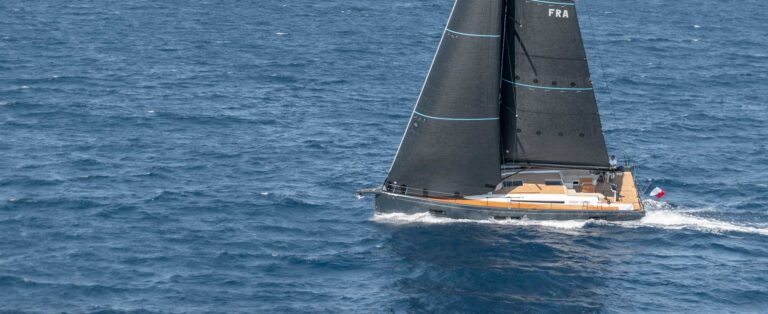
How to train and prepare for bluewater cruising
Expert advice from Dave Robson of Hamble School of Yachting
Sailing the world’s oceans is one of life’s greatest freedoms, but it demands knowledge, confidence, and resilience. Whether you’re crossing the Atlantic, cruising the Pacific, or exploring far-flung islands, preparation is key to enjoying bluewater sailing adventures.
To find out what it really takes to train and prepare for an ocean passage, we spoke with Dave Robson, Principal of the Hamble School of Yachting, one of the UK’s leading RYA training centres and chosen training partner of the Clipper Round the World Race.
With decades of offshore experience and thousands of ocean miles behind him, Dave shares his insights into the training, courses, and seamanship skills necessary for every aspiring bluewater cruiser before setting sail on long-distance passages.
Laying the foundations – Seamanship and confidence at sea
“Good seamanship is about confidence, not bravado,” Dave explains. “When it comes to bluewater sailing, it’s less about about showing off your yacht handling skills and more about staying calm, being methodical, and adapting when things don’t go as planned.”
Before embarking on long passages, it’s important for sailors to feel at ease with some of the basic skills. These include sail trim, helming the boat in various weather conditions, reefing sails while underway, anchoring in tight spots, and manoeuvring under power. When you’re offshore, fatigue and weather can make even simple tasks more difficult, so these skills should become instinctive.
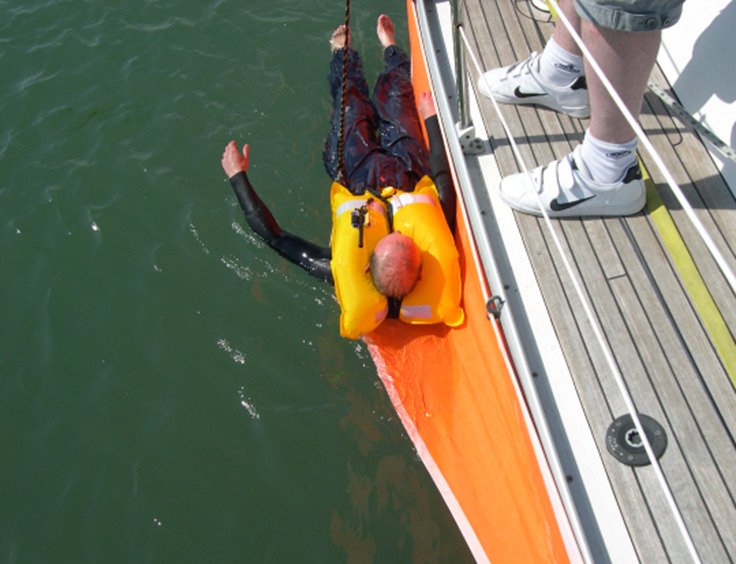
Dave recommends plenty of real-world practice before crossing oceans. “Make the most of any bad weather you might get caught out in, as this is the true test of how your boat handles. Practice night entries and conduct Man-Over-Board drills until you can recover someone even when half-asleep at 3am. Remember, when you’re offshore, assistance isn’t always close by and could be a matter of days away, so you need to be as self-sufficient as possible.”
The value of RYA qualifications
The Royal Yachting Association (RYA) training pathway remains the gold standard for sailors preparing for bluewater cruising. Each of these courses builds on the last, layering practical skills with navigation, leadership, and safety:
RYA Day Skipper
- A foundation for coastal sailing and basic navigation.
RYA Coastal Skipper / Yachtmaster Offshore
- Builds confidence in sailing at night, passage planning, and commanding the crew.
Yachtmaster Ocean
- Focuses on celestial navigation and ocean passage planning.
“The Yachtmaster Ocean course, in particular, is as much about mindset as it is skill. We teach sailors to think like ocean skippers – independent, self-reliant, and capable of managing their vessel and crew, hundreds of miles from land.” Dave explains.
He adds that formal training offers much more than certificates. “Even if you don’t care about the paperwork, these courses give structure to your learning. They’re about making better decisions when it really counts.”
Safety first – Specialist offshore courses
“People often underestimate how physical and unpredictable ocean sailing can be,” Dave notes. “That’s why specialist training is non-negotiable.”
Courses like RYA Sea Survival and World Sailing Offshore Safety prepare sailors for emergencies that every bluewater cruiser hopes to never face like abandoning ship, managing fires, or handling medical incidents far from shore.
“During sea survival sessions, crews are actually put in the water with a life raft,” Dave explains. “They experience what it’s like – disorienting, cold, noisy, and exhausting. Once you’ve done that in a pool, you’ll never neglect your grab bag or safety checks again.”
First aid training is another must. “When you’re 500 miles offshore, you can’t call an ambulance,” Dave says. “You are the first responder and care provider until a casualty is in the hands of a medical professional.”
Navigation and modern technology
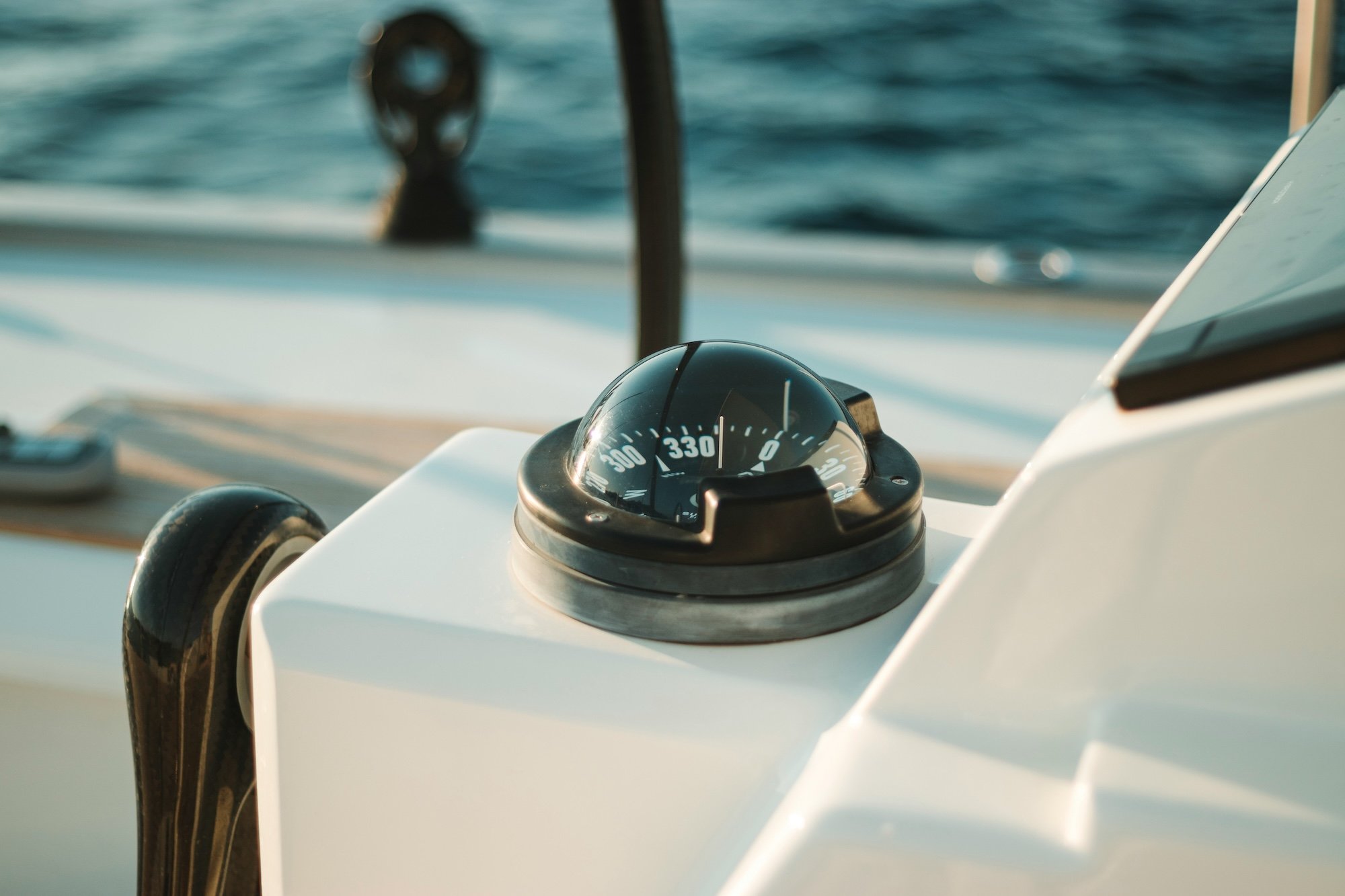
While GPS and satellite technology have revolutionised ocean sailing, traditional navigation remains a valuable backup.
“At Hamble School of Yachting, we still teach celestial navigation,” says Dave. “Knowing how to use a sextant and take a noon sight connects you to the generations of ocean-going sailors who’ve gone before you – and it’s still a valid backup if electronics fail.”
Alongside this, bluewater cruisers should be proficient with AIS, radar, and electronic chart systems, and understand weather routing using GRIB files and synoptic charts.
“The best bluewater skippers are the ones who can read the sky as well as the screen,” Dave laughs. “Technology helps, but seamanship and intuition still matter.”
Mechanical, electrical, and rigging knowledge
Even the most luxurious bluewater yacht is only as reliable as its systems – and offshore, there’s no engineer to call.
Dave advises every ocean-bound sailor to take a diesel engine maintenance course and basic marine electrics training. “You don’t need to be a mechanic, but you do need to understand how your systems work – and how to fix simple problems.”
That includes changing filters, bleeding fuel lines, repairing sails, and maintaining winches. “A small fix can prevent a big problem,” Dave says. “The more self-sufficient you are, the safer you’ll be.”
Crew and watch management
Bluewater sailing is as much about endurance as navigation. Long passages demand careful watchkeeping, good communication, and crew harmony.
“Fatigue management is one of the most overlooked aspects of ocean sailing,” Dave explains. “A tired crew makes mistakes. Set up fair watch systems, share responsibilities, and make time for rest and recovery – as well as ensuring everyone is well-fed.”
Understanding weather
Understanding weather patterns is another key skill. “We encourage every ocean skipper to study meteorology,” Dave says. “Knowing how to interpret pressure charts and cloud formations helps you avoid trouble and find the best winds.”
From classroom to ocean – Building experience
Ultimately, no course replaces real sea miles. “The best training happens when you’re out there, living it,” Dave says. “Join deliveries, sign up for offshore races, or crew on a transatlantic passage before taking charge. You’ll learn more in one week at sea than in a month in a classroom.”
Sailors looking to test their skills before going it alone can join events like the ARC (Atlantic Rally for Cruisers) or the World ARC, which offer structured ocean passages with support and camaraderie.
“Ocean sailing is about freedom, but freedom only comes with preparation,” sums up Dave. “The better you train, the more relaxed and capable you’ll feel out there. And when the wind fills in, and land disappears over the stern, you’ll know you’ve truly earned that moment.”
For anyone dreaming of bluewater cruising or preparing for their first ocean passage, the message is clear: invest in your training, build your seamanship, and trust in your skills.



Talk to a Bluewater Cruising Specialist
If you are looking for expert advice or have any questions about bluewater cruising, our in-house experts will be delighted to hear from you.
Ancasta is an official dealer for some of the world’s leading bluewater sailing yacht brands, including Beneteau Sail, Lagoon Catamarans, and Contest Yachts. We also provide an extensive range of pre-owned bluewater cruising yachts.